Banana bread occupies a unique space in home baking. Neither a delicate cake nor a traditional yeast loaf, this classic baked good bridges the gap between comforting home style cooking and precise culinary science. While nearly every household has a favorite version, understanding the structural role of each ingredient elevates a simple quick bread into an exceptionally moist, rich, and aromatic masterpiece.
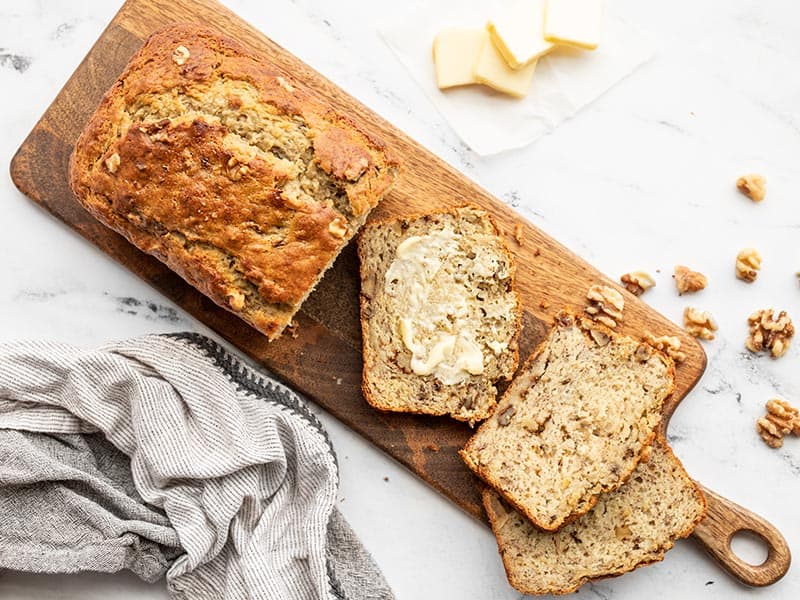
By exploring the scientific mechanics behind overripe fruit, fat ratios, and leavening balance, home bakers can achieve a bakery-quality slice every single time.
1. The Culinary Science Behind Overripe Bananas
The foundation of any superior banana bread lies entirely in the condition of the fruit. Fresh, yellow bananas with firm skins are suitable for daily snacking, but they are unsuitable for baking quick breads.
- Starch to Sugar Conversion: As bananas ripen, enzymes break down complex starches into simple sugars like glucose and fructose. This enzymatic process increases sweetness naturally without requiring excess refined sugar.
- Aromatic Volatilization: Overripe bananas develop higher concentrations of esters and aromatic compounds, giving the bread its characteristic deep fragrance.
- Moisture Content: As the peel turns heavily speckled or brown, the fruit interior softens into a liquid-dense pulp that easily integrates into batter, delivering consistent moisture to the crumb structure.
2. Essential Ingredients and Their Structural Roles
Achieving an ideal balance between a tender tenderloin-soft crumb and a stable, sliceable loaf requires a clear understanding of key pantry staples.
- Overripe Bananas: Three to four medium bananas provide both primary flavor and natural moisture.
- Unsalted Butter or Neutral Oil: Fat coats flour proteins, inhibiting gluten formation and keeping the loaf soft. Melted butter adds a rich, toasted flavor, while neutral oil yields an exceptionally moist texture that lasts longer at room temperature.
- Granulated and Brown Sugar: A mixture of white and dark brown sugar provides clean sweetness along with molasses, which retains moisture and adds subtle caramel notes.
- Whole Eggs: Eggs act as a binder, supplying structure through protein coagulation while contributing richness via egg yolks.
- All-Purpose Flour: A medium-protein flour offers enough strength to support heavy banana pulp without creating a dense, gummy texture.
- Baking Soda: As a chemical leavener, baking soda reacts with the mild acidity in brown sugar and bananas to produce carbon dioxide bubbles, causing the loaf to rise evenly.
3. Step-by-Step Guide to Baking the Perfect Banana Bread
Executing a flawless quick bread relies on gentle mixing and precise temperature control. Over-mixing leads to excess gluten development, resulting in a tough, rubbery texture.
- Preheating and Pan Preparation: Preheat your oven to 175°C (350°F). Grease an 8×4-inch loaf pan thoroughly with butter and line the bottom with parchment paper for effortless removal.
- Mashing the Bananas: In a large bowl, mash four medium brown-speckled bananas using a fork or potato masher until smooth with minor textured lumps remaining.
- Combining Wet Ingredients: Whisk 1/2 cup of melted, slightly cooled unsalted butter into the mashed bananas. Add 1/2 cup of brown sugar, 1/4 cup of granulated sugar, two large eggs, and one teaspoon of pure vanilla extract. Whisk until fully blended.
- Sifting Dry Ingredients: In a separate bowl, whisk together 1.5 cups of all-purpose flour, one teaspoon of baking soda, and 1/2 teaspoon of fine sea salt.
- Gently Folding the Batter: Add the dry ingredients to the wet mixture. Using a silicone spatula, gently fold the batter together just until the flour disappears. Avoid over-stirring.
- Optional Additions: If desired, gently fold in 1/2 cup of toasted chopped walnuts, pecans, or dark chocolate chunks during the final turns of the spatula.
- Baking and Monitoring: Pour the batter into the prepared loaf pan and smooth the top. Bake for 55 to 65 minutes. Test for doneness by inserting a wooden skewer into the center; it should emerge clean or with a few moist crumbs.
- Cooling Period: Allow the bread to cool in the pan for ten minutes to set its structure, then transfer it to a wire cooling rack to cool completely before slicing.
Conclusion
Baking extraordinary banana bread is an accessible craft that turns surplus kitchen ingredients into a sophisticated comfort food. By selecting heavily speckled fruit, respecting the science of moisture and fat balance, and mixing the batter with care, anyone can master this classic recipe. Whether served warm with a light spread of butter or enjoyed alongside morning coffee, a well-executed loaf showcases how simple culinary principles can yield timeless, delicious results.