Crafting Nectar: How to Make Safe Homemade Hummingbird Food
Hummingbirds are among the most fascinating creatures in the avian world. Possessing an extraordinarily high metabolic rate, these tiny birds flap their wings up to eighty times per second and require near-constant refueling to survive. While commercially prepared nectar mixes are widely available in pet stores, making your own hummingbird food at home is not only significantly cheaper, but it is also far safer and healthier for the birds when prepared correctly.
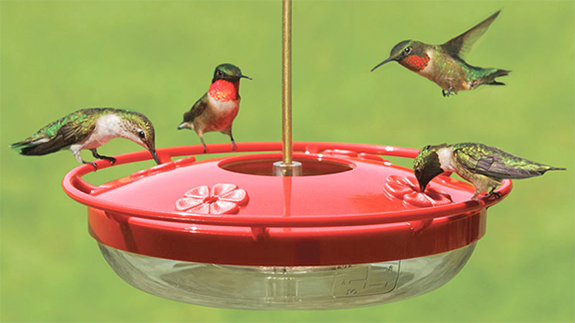
By understanding the physiological needs of hummingbirds and following precise preparation steps, you can transform your backyard or garden into a thriving, safe haven for these remarkable pollinators.
The Chemistry of Natural Nectar versus Homemade Nectar
To make a safe food source, one must first look at what hummingbirds consume in the wild. Natural floral nectar consists primarily of water and simple sugars, mainly sucrose, along with trace minerals.
- The Ideal Sugar-to-Water Ratio: The scientifically accepted standard for
 A jewel-like little bird is getting assist surviving B.C.’s uncommon cold snap, with fowl lovers knitting cozies, warming feeders, and even feeding them by hand. Hummingbirds are much more frequent than you may think however you don’t see the birds until you catch them feeding. Not solely can you purchase and hang up hummingbird feeders however you can also plant flower gardens to attract the birds to your yard. Canada has three species of hummingbirds whereas Alaska has one species. And by no means change the feeder sporting a shiny crimson housecoat like my sister. She bought bombed by the little hummers. It was enjoyable to watch. Subsequent time I catch her doing that I am going to lock the door and YouTube the invasion.
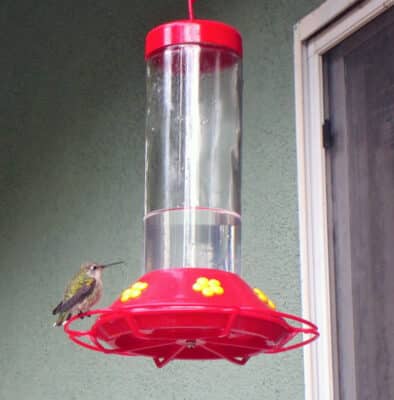 In New England, we have now but one single species of hummingbird: The Ruby-throated, Archilochus colubris. This easy hummingbird nectar recipe has solely 2 substances. It is easy to combine up as you need it and does not require any special gear. You should buy hummingbird meals on the retailer, however it is extremely straightforward to make with components you’ve gotten in your kitchen. Chances are you’ll not understand it however hummingbirds are fairly territorial. In case you put up a synthetic feeder and watch it intently you may discover one hummingbird hanging across the feeder all the time and chasing off different hummingbirds that attempt to drink from the feeder.
 A jewel-like little hen is getting help surviving B.C.’s unusual cold snap, with chicken lovers knitting cozies, warming feeders, and even feeding them by hand. One other essential cause is that wild birds are bug-consuming machines. The birds you entice to your feeders and backyard may even hunt down mosquitoes, caterpillars, slugs and snails to dine on. These a lot-maligned starlings wandering over your lawn will eat Japanese beetle larvae and likewise go after gypsy moth larvae, which most native birds scorn. A Baltimore oriole can eat seventeen bushy caterpillars a minute, and a pair of sparkles can polish off five thousand ants as an appetizer. Hummingbirds have the best relative food consumption of any hen and eat half their body weight (about two ounces) in meals each day, most of that being smooth-bodied insects (mosquitoes!) and spiders.
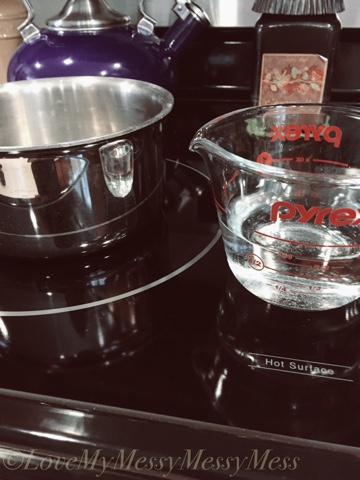 Hummingbirds are great to have in your garden, and while the best way to attract them is always going to be colourful crops which produce numerous nectar, hummingbird feeders may help attract the birds even if you’re in the heart of a city. Please know that you should never put meals coloring, jello, fruit, or honey into a hummingbird feeder. You need to know that when honey is diluted in water that it spoils rapidly and grows bacteria that may hurt or kill the hen. You never want to use brown sugar because it comprises iron which is poisonous to the birds. Powdered sugar also shouldn’t be used as it incorporates corn starch and can fermit rapidly. You need to use plain sugar water made from common white desk sugar and water.