Masterpiece on a Plate: The History, Culinary Science, and Art of Beef Wellington
Few dishes in world cuisine evoke the same sense of luxury, craftsmanship, and theatrical table presentation as Beef Wellington. Widely regarded as one of the ultimate tests of a chef’s technical proficiency, this classic centerpiece combines tender beef fillet, savory mushroom duxelles, salty cured ham, and crisp puff pastry into a single harmonious bite. Beyond its reputation as a fine-dining spectacle, Beef Wellington represents a fascinating intersection of culinary history, balance of textures, and precise thermodynamic cooking.
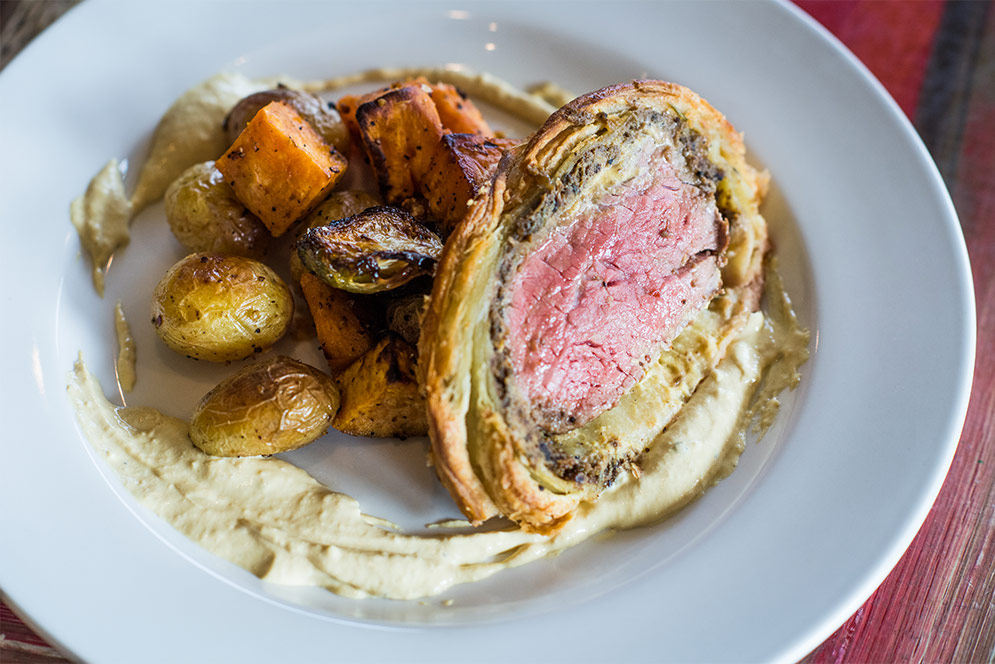
The Origin and Heritage of a Legendary Classic
The history of Beef Wellington is surrounded by rich culinary lore and debate among food historians. While named after Arthur Wellesley, the First Duke of Wellington and victor of the Battle of Waterloo in 1815, historical evidence suggests the dish was not necessarily created directly for his victory celebration.
- The Patriotic Naming Era: During the nineteenth century, naming high-status dishes after prominent war heroes and
 We’re not huge turkey fans so we at all times have a Beef Wellington at Christmas. Assembly: Take away twine from roast, if vital. On work surface, place two 2-foot lengthy items of plastic wrap, overlapping 1 inch on long sides. Prepare prosciutto vertically in 2 rows alongside centre of plastic wrap, overlapping slightly to create rectangle massive enough to surround roast. Evenly unfold Mushroom Duxelles over prosciutto, leaving 1-inch border. Place roast in centre; roll up prosciutto tightly, tucking in ends to seal completely. Roll up plastic wrap tightly; refrigerate for 30 minutes.
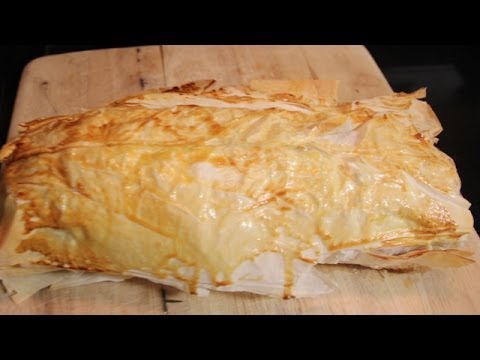 No, you’re not going to destroy a whole tenderloin. Soften 30 g (1 oz) butter in a saucepan. Add 1 finely chopped shallot and cook for 2 minutes until softened. 3. Add butter and mix into smooth paste. Season to style with salt, pepper and just a little nutmeg. To make the crepes, Sift the flour right into a bowl. Beat collectively the eggs and milk. Combine flour and egg mixtures collectively and add the melted butter, chopped chives and pinch of salt. Put aside to thicken for about 15 to 30 minutes.
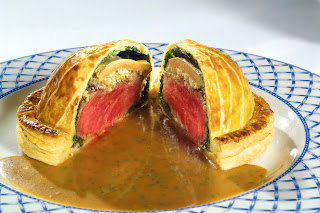 No, you’re not going to destroy a complete tenderloin. In a pan over medium heat, add mushroom paste, olive oil, salt, and pepper. Spread the combination evenly over the surface and cook dinner on a medium-low heat until the moisture within the paste has decreased and the combination has the consistency of a spreadable pâté. Remove from heat and let cool. However, there was one meal that Wellesley couldn’t get enough of: a dish consisting of beef, mushrooms, maderia wine, and pate cooked in a pastry. Wellesley requested this decadent delight at every dinner he hosted.