Hummingbirds are among the most fascinating creatures in the avian world. Possessing an extraordinarily high metabolic rate, these tiny birds flap their wings up to eighty times per second and require near-constant refueling to survive. While commercially prepared nectar mixes are widely available in pet stores, making your own hummingbird food at home is not only significantly cheaper, but it is also far safer and healthier for the birds when prepared correctly.
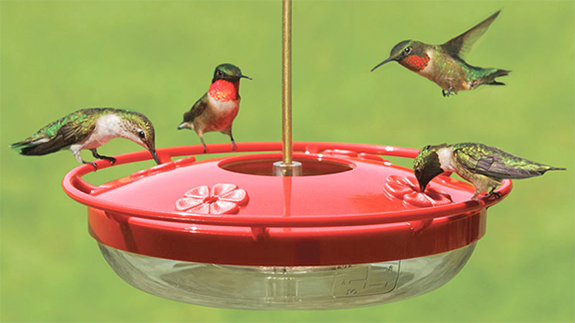
By understanding the physiological needs of hummingbirds and following precise preparation steps, you can transform your backyard or garden into a thriving, safe haven for these remarkable pollinators.
The Chemistry of Natural Nectar versus Homemade Nectar
To make a safe food source, one must first look at what hummingbirds consume in the wild. Natural floral nectar consists primarily of water and simple sugars, mainly sucrose, along with trace minerals.
- The Ideal Sugar-to-Water Ratio: The scientifically accepted standard for homemade hummingbird nectar is a simple four-to-one ratio: four parts water to one part pure white granulated sugar. This concentration closely mirrors the average sugar level found in native nectar-producing flowers, providing the exact caloric density necessary for optimal avian digestion.
- Why Pure White Granulated Sugar is Essential: Plain white table sugar (sucrose) is the only recommended sugar source. It digests cleanly and efficiently in a hummingbird’s rapid metabolic tract, reproducing the natural energy source found in plant blossoms.
- The Dangers of Unrefined Sugars: Ingredients like raw sugar, brown sugar, honey, molasses, and organic turbinado contain elevated levels of iron or complex compounds. Honey creates a moist environment where lethal fungal spores thrive, while excess iron in unrefined sugars causes toxic liver storage disease in small birds.
The Dark Side of Pre-Made Nectars and Red Dyes
Many commercially available hummingbird food mixes contain red artificial dyes, preservative chemicals, and synthetic flavorings designed to attract human buyers on store shelves rather than benefit the birds.
- Artificial Red Dyes: Red Dye No. 40 and other synthetic colorings are completely unnecessary and potentially harmful. Because hummingbirds process fluids rapidly through tiny kidneys, ingesting concentrated chemical dyes can lead to internal organ stress and physical tumors over time.
- Natural Attraction without Colorings: Hummingbirds are drawn to the bright red color of the feeder structure itself, not the color of the liquid inside. As long as your feeder features red accents, clear sugar water is entirely sufficient.
- Preservatives and Additives: Shelf-stable store-bought concentrates often contain chemical preservatives to prevent fermentation. Fresh homemade sugar water, replaced frequently, eliminates the need for any chemical additives.
Step-by-Step Guide: How to Prepare Safe Hummingbird Food
Preparing clean, nutritious nectar takes less than ten minutes and requires basic kitchen equipment.
Ingredients Required:
- 4 cups of clean water (filtered or tap)
- 1 cup of plain white granulated cane or beet sugar
Step-by-Step Preparation:
- Measure four cups of water and pour it into a clean saucepan. Bring the water to a rolling boil on your stove. Boiling helps break down the sugar crystals quickly and removes chlorine and bacteria from the water base.
- Remove the saucepan from the heat source and immediately stir in one cup of white granulated sugar.
- Stir the mixture continuously for one to two minutes until the sugar crystals completely dissolve, leaving a crystal-clear liquid.
- Allow the solution to cool completely to room temperature. Never pour warm or hot nectar into a feeder, as hot liquid can warp plastic feeders and cause thermal stress to visiting birds.
- Fill your feeder with the cooled solution and store any remaining nectar in a sealed glass jar inside your refrigerator for up to two weeks.
Maintenance and Feeder Hygiene Rules
Offering homemade nectar carries a responsibility to maintain a clean feeding station. In warm weather, sugar water ferments rapidly, converting into toxic alcohol and harboring dangerous mold colonies.
- Weather-Based Replacement Schedules: In mild temperatures below 20°C (68°F), replace the nectar every four to five days. During hot summer spells exceeding 30°C (85°F), change the fluid every forty-eight hours to prevent bacterial spoilage.
- Proper Cleaning Techniques: Wash the feeder thoroughly during every nectar refill using hot water and a bottle brush. Avoid harsh chemical detergents or bleach unless thoroughly rinsed; plain hot water or a diluted white vinegar solution is best for routine maintenance.
- Preventing Insect Contamination: Place built-in ant moats above your feeders and select feeders with yellow bee guards to keep insects from dying in the nectar and contaminating the food source.
Conclusion
Creating your own hummingbird food is a rewarding, simple project that directly supports local bird populations. By adhering to the golden four-to-one ratio of clean water and pure white sugar, completely avoiding harmful red dyes and unrefined sweeteners, and maintaining strict feeder cleanliness, you offer a safe, life-sustaining fuel source. Your efforts will be rewarded with a continuous parade of vibrant, energetic visitors lighting up your garden throughout the season.