Banana bread holds a cherished place in home baking, occupying a unique space between a comforting classic and a study in food chemistry. While it is often treated as a simple quick bread, achieving a loaf that balances a tender crumb with deep, caramelized banana flavor requires a thoughtful approach to ingredients, ratios, and technique.
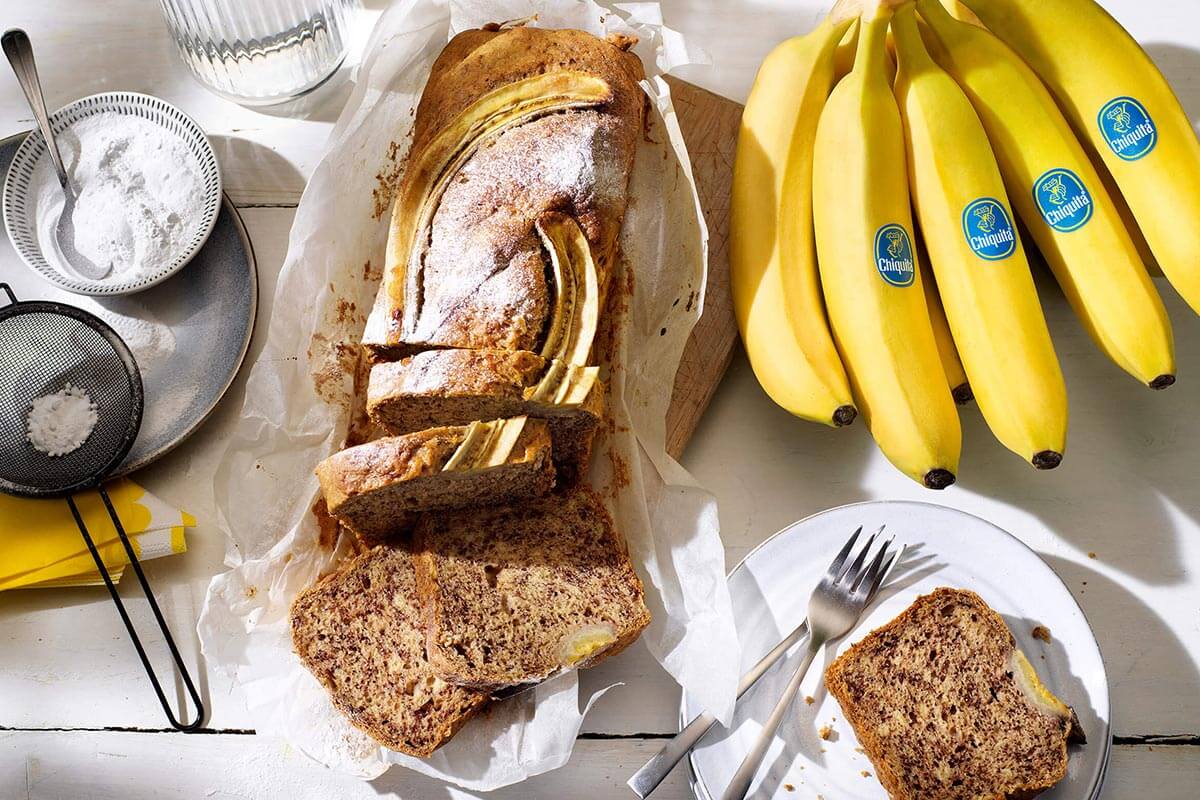
By understanding how overripe fruit, fat selection, and gentle mixing interact, home bakers can consistently transform everyday pantry staples into a rich, bakery-quality loaf.
1. The Science Behind Overripe Bananas
The foundational secret of any exceptional banana bread lies entirely in the ripeness of the fruit. Yellow, firm bananas suited for daily snacking lack the necessary chemical composition required for baking.
- Starch to Sugar Conversion: As a banana ripens, internal enzymes systematically break down complex starches into simple sugars like glucose and fructose. This natural transformation significantly increases sweetness without requiring excessive refined sugar.
- Aromatic Compound Development: Fully ripened bananas with dark, heavily speckled skins develop high concentrations of esters, which produce the characteristic deep aroma and flavor profile during baking.
- Moisture Integration: As the fruit cell walls break down, the pulp becomes dense and fluid, allowing it to distribute moisture evenly throughout the batter without creating dense pockets of unbaked dough.
2. Deciphering Key Ingredients and Ratios
Crafting a loaf with a moist interior and a delicate, golden-brown crust depends on balancing wet and dry components.
- Overripe Bananas: Three to four medium bananas (about 1.5 cups of mash) provide both primary structural moisture and natural sweetness.
- Fat Options (Butter vs. Oil): Melted unsalted butter introduces a rich, nutty flavor that complements the fruit, while a neutral vegetable oil yields a higher level of perceived moisture that lasts for several days. A combination of both yields an optimal balance of flavor and tenderness.
- Sugars: Combining granulated white sugar with dark brown sugar introduces subtle molasses notes, which enhance the natural caramel tones of the baking bananas and keep the crumb tender.
- Eggs and Leavening: Eggs bind the batter together while contributing structure through protein coagulation. Baking soda reacts with the mild natural acidity in the bananas and brown sugar to produce carbon dioxide, giving the heavy batter a uniform, gentle rise.
3. Step-by-Step Preparation and Baking Guide
Executing this recipe successfully relies on proper technique, particularly avoiding over-mixing, which activates gluten and results in a tough, rubbery loaf.
- Equipment and Pan Preparation: Preheat your oven to 175°C (350°F). Lightly butter an 8×4-inch metal loaf pan and line the bottom with parchment paper to prevent sticking.
- Mashing the Fruit: In a mixing bowl, mash four brown-speckled bananas using a fork or potato masher until smooth, leaving only minor, fine fruit pieces for texture.
- Blending Wet Ingredients: Whisk 1/2 cup of melted, slightly cooled butter into the mashed bananas. Add 1/2 cup of dark brown sugar, 1/4 cup of granulated sugar, two large room-temperature eggs, and one teaspoon of pure vanilla extract. Whisk vigorously until the mixture is fully emulsified.
- Sifting Dry Ingredients: In a separate container, combine 1.5 cups of all-purpose flour, one teaspoon of baking soda, and 1/2 teaspoon of fine sea salt.
- Gently Folding the Batter: Pour the dry ingredients into the wet mixture. Using a flexible silicone spatula, gently fold the mixture together just until the flour traces disappear.
- Optional Flavor Add-Ins: If desired, gently fold in 1/2 cup of toasted chopped walnuts, pecans, or dark chocolate chips during the final few turns of the spatula.
- Baking to Perfection: Pour the batter into the prepared pan and smooth the surface. Bake for 55 to 65 minutes. Test for doneness by inserting a wooden toothpick into the center; it should come out clean or with a few dry crumbs.
- Cooling and Resting: Allow the loaf to rest in the pan for ten minutes, then transfer it to a wire cooling rack. Cooling completely before slicing sets the internal crumb structure, preventing the bread from collapsing under the knife.
Conclusion
Baking extraordinary banana bread is an accessible, deeply rewarding culinary process that relies on simple principles of ingredient chemistry and careful handling. By selecting overripe fruit, combining complementary fats and sugars, and maintaining a gentle hand when folding the batter, you can turn humble ingredients into a timeless centerpiece for morning coffee or afternoon tea. Mastering these fundamental steps ensures a moist, fragrant, and perfectly balanced loaf every time.