Chicken remains the undisputed global cornerstone of home cooking and professional gastronomy alike. Its remarkable adaptability permits seamless integration into virtually every culinary tradition, spanning from fiery Southeast Asian curries to rich French braises. However, because chicken breast and thigh meat possess significantly different fat contents and muscle structures, executing poultry dishes to perfection requires more than merely following a list of ingredients. It demands an understanding of heat distribution, moisture retention, and flavor pairing science.
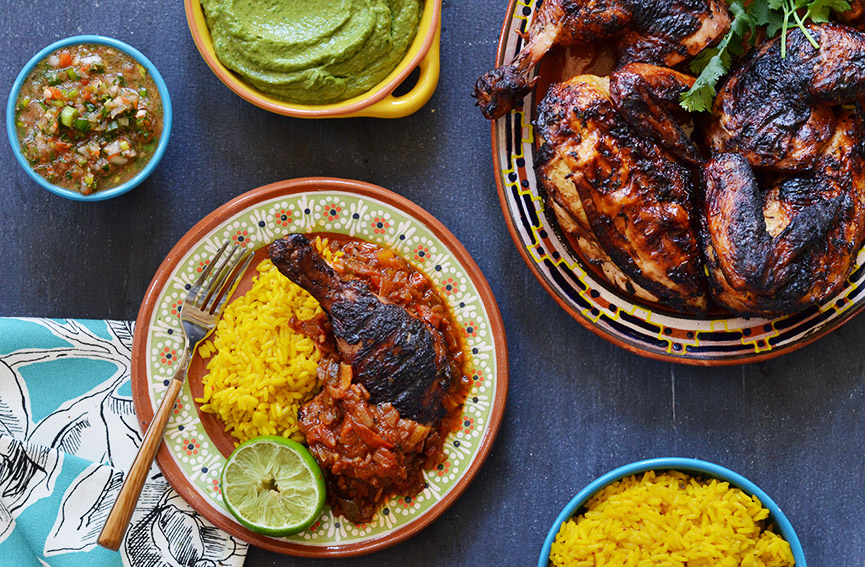
By mastering fundamental cooking techniques and exploring globally inspired flavor bases, home cooks can transform simple raw poultry into extraordinary, restaurant-quality meals.
The Science of Poultry: Breast Meat versus Thigh Meat
Understanding how distinct chicken cuts behave under heat is essential to achieving optimal texture and moisture retention.
- Chicken Breasts (White Meat): Breasts are lean, low-fat muscle tissues that cook quickly. Because they contain minimal intramuscular fat and collagen, overcooking by even a few degrees causes muscle fibers to contract tightly, squeezing out moisture and resulting in a dry, stringy texture. Ideal methods include quick searing, poaching, or sous-vide cooking to an internal temperature of 74°C (165°F).
- Chicken Thighs and Legs (Dark Meat): Dark meat contains higher levels of myoglobin, fat, and connective collagen. During slow cooking or high-heat roasting, this collagen melts down into rich gelatin, coating the muscle fibers and preserving tenderness even at higher internal temperatures. Thighs thrive under braising, grilling, and stewing conditions.
- The Power of Dry Brining: Salting raw chicken several hours before cooking alters its protein structure. Salt draws out moisture, dissolves into a concentrated brine, and then reabsorbs into the muscle tissue, breaking down tough fibers and ensuring maximum interior juiciness.
Recipe 1: Pan-Seared Lemon Herb Chicken Breasts with Pan Sauce
This technique solves the common issue of dry chicken breast by using a rapid pan-sear followed by a quick pan-deglazing process that creates a silk, flavorful sauce.
Essential Ingredients Required:
- 2 large boneless, skinless chicken breasts, butterflied horizontally into equal halves
- 2 tablespoons extra virgin olive oil
- 2 cloves fresh garlic, finely minced
- 1/2 cup low-sodium chicken stock
- 2 tablespoons fresh lemon juice
- 1 tablespoon cold unsalted butter
- 1 tablespoon fresh rosemary and thyme, finely chopped
- Sea salt and coarsely ground black pepper to taste
Step-by-Step Preparation:
- Pat the chicken pieces completely dry with paper towels. Season both sides generously with sea salt, black pepper, and half of the chopped herbs.
- Heat the olive oil in a heavy stainless steel or cast-iron skillet over medium-high heat until shimmeringly hot.
- Place the chicken pieces into the pan without overcrowding. Sear undisturbed for four to five minutes until a golden brown crust forms on the bottom.
- Flip the chicken and cook for an additional three to four minutes until the internal temperature reaches 74°C (165°F). Remove the chicken and let it rest on a clean plate.
- Reduce heat to medium, add minced garlic to the remaining oil, and sauté for thirty seconds until aromatic.
- Pour in the chicken stock and lemon juice, using a wooden spoon to scrape up all golden brown caramelized bits (fond) stuck to the bottom of the pan.
- Simmer the liquid for three minutes until reduced by half. Remove from heat, stir in the cold butter until smooth, and pour the glossy pan sauce directly over the rested chicken breasts.
Recipe 2: Crispy Sheet-Pan Tuscan Chicken Thighs with Garlic and Roasted Tomatoes
Sheet-pan dinners offer maximum flavor efficiency with minimal cleanup. High-heat roasting renders the chicken skin crackling crisp while caramelizing the accompanying vegetables.
Essential Ingredients Required:
- 4 bone-in, skin-on chicken thighs
- 2 cups cherry tomatoes
- 1/2 cup pitted Kalamata olives
- 1 small red onion, sliced into wedges
- 3 tablespoons olive oil
- 1 teaspoon dried oregano
- 1/2 teaspoon smoked paprika
- Fresh basil leaves for garnish
Step-by-Step Preparation:
- Preheat your oven to 200°C (400°F) and line a large baking sheet with parchment paper.
- Dry the chicken thighs thoroughly with paper towels. Rub the skin side with half of the olive oil, smoked paprika, dried oregano, and a pinch of salt.
- In a bowl, toss the cherry tomatoes, Kalamata olives, and sliced red onion with the remaining olive oil, salt, and pepper.
- Arrange the seasoned chicken thighs skin-side up on the baking sheet, placing the tomato and olive mixture evenly around the meat.
- Roast in the preheated oven for 35 to 40 minutes until the chicken skin is deeply browned, the tomatoes have burst, and the internal temperature of the thighs reads 79°C (175°F).
- Garnish with fresh torn basil leaves and serve hot alongside the roasted tomato juices.
Conclusion
Elevating chicken cooking from mundane to exceptional relies on respecting cut selection, moisture control, and precise heat management. Whether through mastering a quick pan-sear with a classic deglazed sauce or leveraging high-temperature sheet-pan roasting for crispy dark meat, understanding basic culinary science yields consistently delicious results. Incorporating these technique-driven recipes into your weekly routine guarantees tender, succulent, and flavor-packed meals every time.